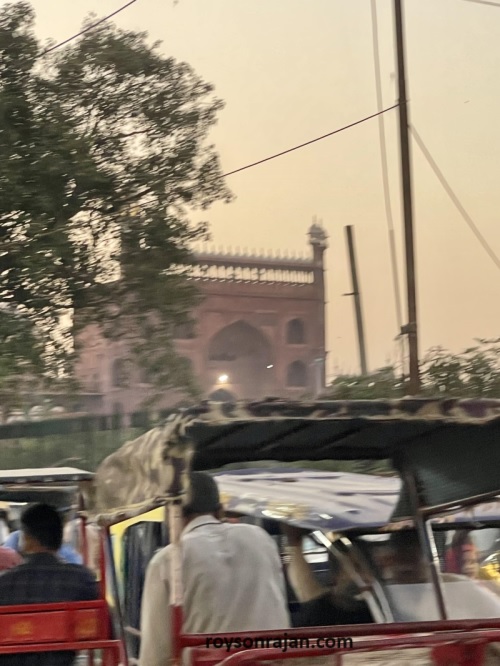
Into the Wilderness: A Safari Adventure at Jim Corbett National Park

Nestled in the heart of northern India, Jim Corbett National Park beckoned with promises of untamed beauty and a rendezvous with the wild. My recent visit to this wildlife sanctuary was nothing short of a mesmerizing adventure, where each moment unfolded as a page in the book of nature’s wonders.

Arrival at the Gateway to the Wild:
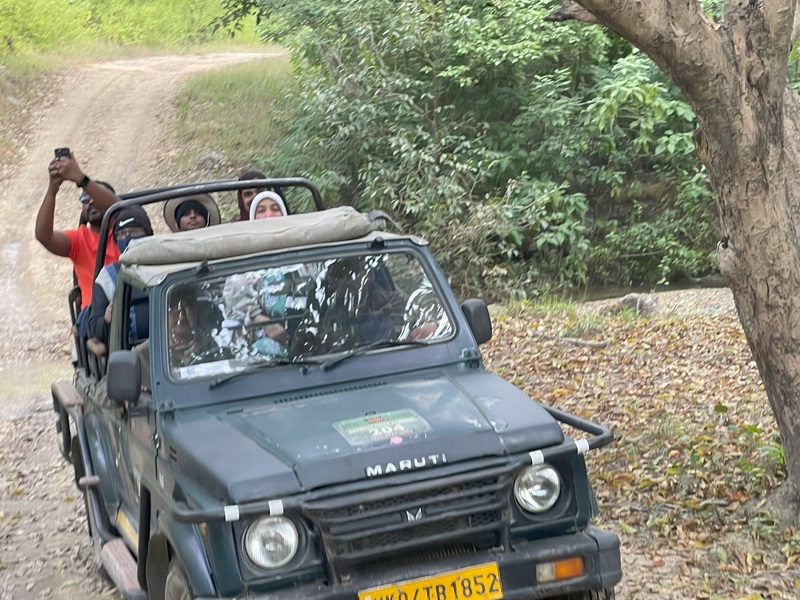
As I entered the park, the air buzzed with anticipation. The landscape, painted in hues of green, stretched as far as the eye could see. The gateway to the wild, marked by the iconic entrance, signaled the beginning of a journey into the heart of India’s oldest national park.

Safari Chronicles:

The safari ride was the centerpiece of our adventure—an opportunity to witness the park’s inhabitants in their natural habitat. As we boarded the open safari vehicle, excitement mingled with a touch of trepidation. The promise of spotting elusive creatures, from the regal Bengal tiger to the graceful spotted deer, hung thick in the air.

Encounters with Majestic Beasts:
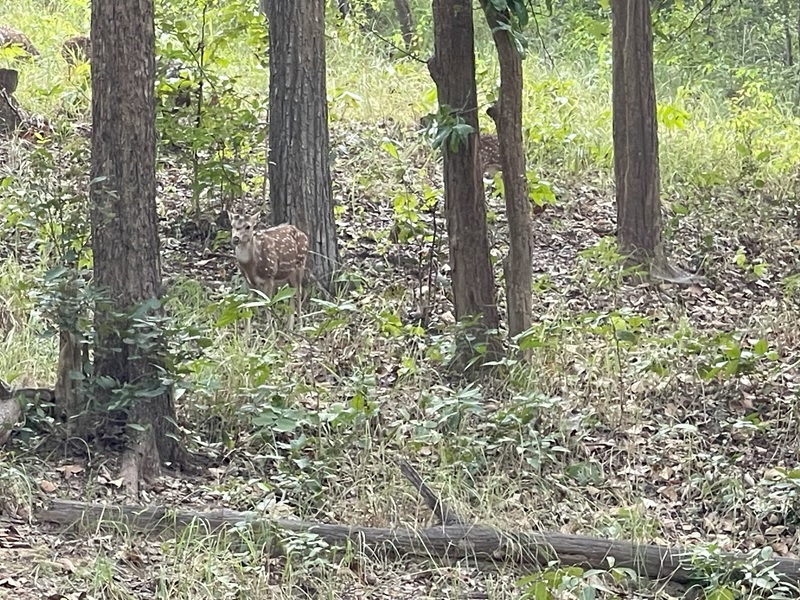
The first leg of our safari led us through dense Sal forests, their canopies creating dappled patterns of sunlight on the forest floor. Suddenly, a majestic creature emerged from the shadows—the Asian elephant, a symbol of strength and grace. These gentle giants moved leisurely, casting a spell on all fortunate enough to witness their presence.

As the safari progressed, the anticipation reached its peak. And then, there it was—a fleeting glimpse of the Bengal tiger, master of stealth, disappearing into the thick underbrush. The air buzzed with a mixture of awe and excitement as our hearts raced with the thrill of this extraordinary encounter.

Avian Symphony:
Jim Corbett is not only a haven for large mammals but also a paradise for bird enthusiasts. The soundtrack of our journey was a symphony of birdcalls—from the melodious song of the Himalayan bulbul to the rhythmic drumming of the great slaty woodpecker. Each chirp and tweet added layers to the auditory tapestry of the jungle.

The Riverside Serenity:

Midway through our safari, the landscape transitioned to the picturesque banks of the Ramganga River. The serene waters mirrored the lush greenery, creating a tranquil haven. Crocodile sightings along the riverbanks and the occasional splash of a playful otter added a touch of aquatic drama to our wilderness experience.

Flora in Focus:
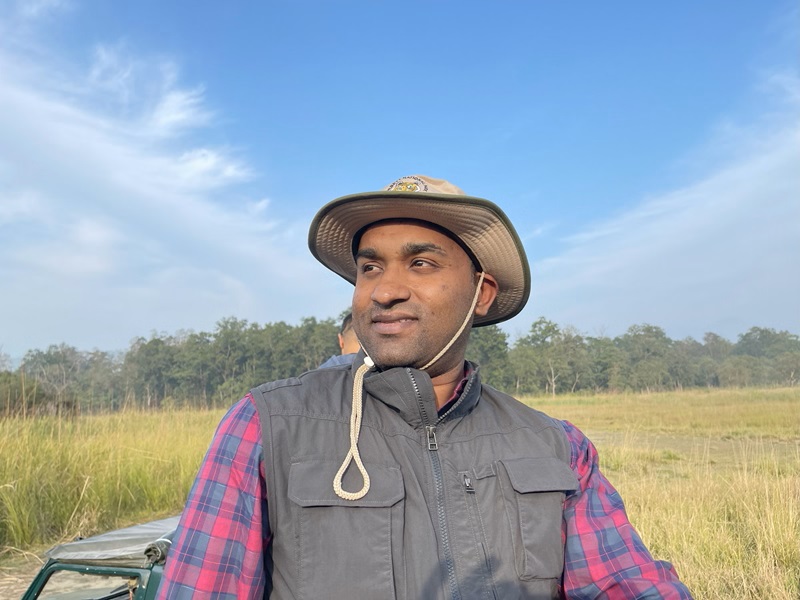
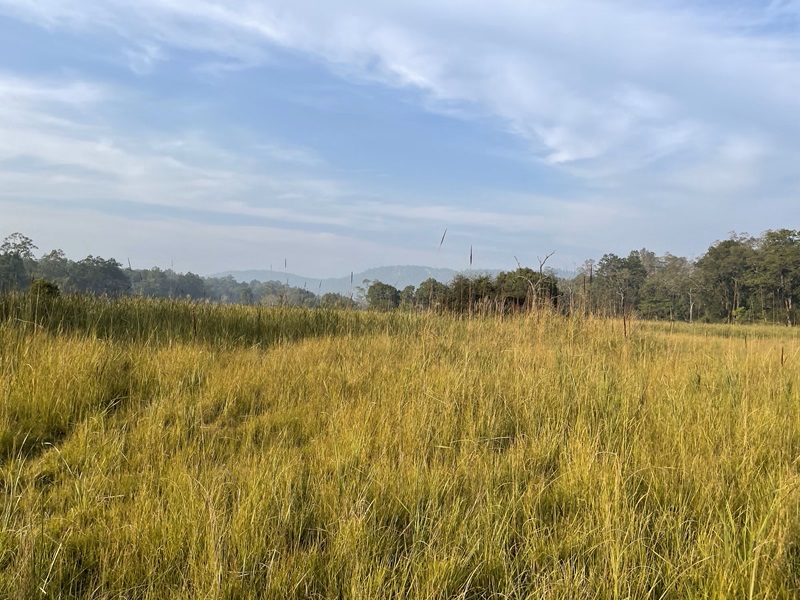
Amidst the excitement of wildlife encounters, the park’s diverse flora demanded attention. The Dhikala grasslands unfolded like a golden carpet, dotted with wildflowers in vibrant hues. From the towering sal trees to the delicate blossoms underfoot, every element of the landscape contributed to the park’s enchanting tapestry.

Beyond the Safari: Exploring the Park’s Treasures:
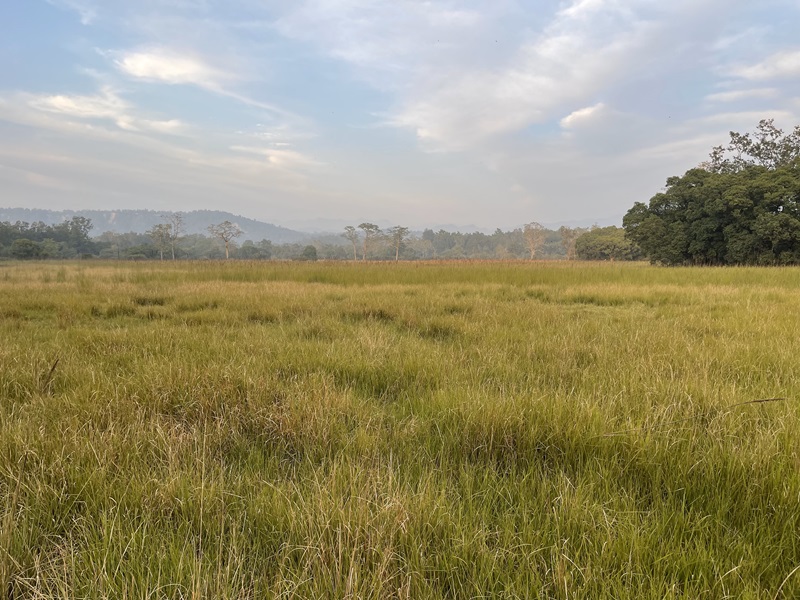
Beyond the adrenaline-fueled safari, Jim Corbett offers a range of activities that unveil the park’s multifaceted charm. Nature walks allowed us to delve deeper into the smaller wonders—the intricate patterns of butterfly wings, the fragrant blossoms, and the captivating dance of sunlight filtering through the leaves.

A visit to the Corbett Museum enriched our understanding of the park’s history and the legendary man-eater hunter, Jim Corbett, after whom the park is named. The museum’s exhibits, from historical artifacts to interactive displays, provided a comprehensive overview of the park’s evolution.

A Night in the Wilderness:

For those seeking a more immersive experience, an overnight stay at one of the park’s lodges is a must. The night brought a different kind of magic—the symphony of nocturnal sounds and the possibility of encountering elusive creatures under the moonlit sky. The experience heightened our connection to the wild, making it an unforgettable chapter in our adventure.

Conservation Efforts:

As the safari came to an end, a sense of gratitude and responsibility lingered. Jim Corbett National Park is not just a playground for wildlife enthusiasts; it’s a testament to the importance of conservation. The park’s efforts to preserve endangered species and their habitats are evident in the dedicated work of rangers, naturalists, and conservationists.

My Views:

My journey into the heart of Jim Corbett National Park was a tapestry woven with threads of anticipation, excitement, and reverence for the natural world. From the adrenaline-fueled safari to the tranquil moments by the riverside, each experience etched a vivid memory.

As I left the park, the echoes of wildlife calls and the rustle of leaves in the breeze accompanied me. Jim Corbett National Park is not merely a destination; it’s a sanctuary where the wild whispers its tales, inviting all who venture there to become part of its timeless narrative.
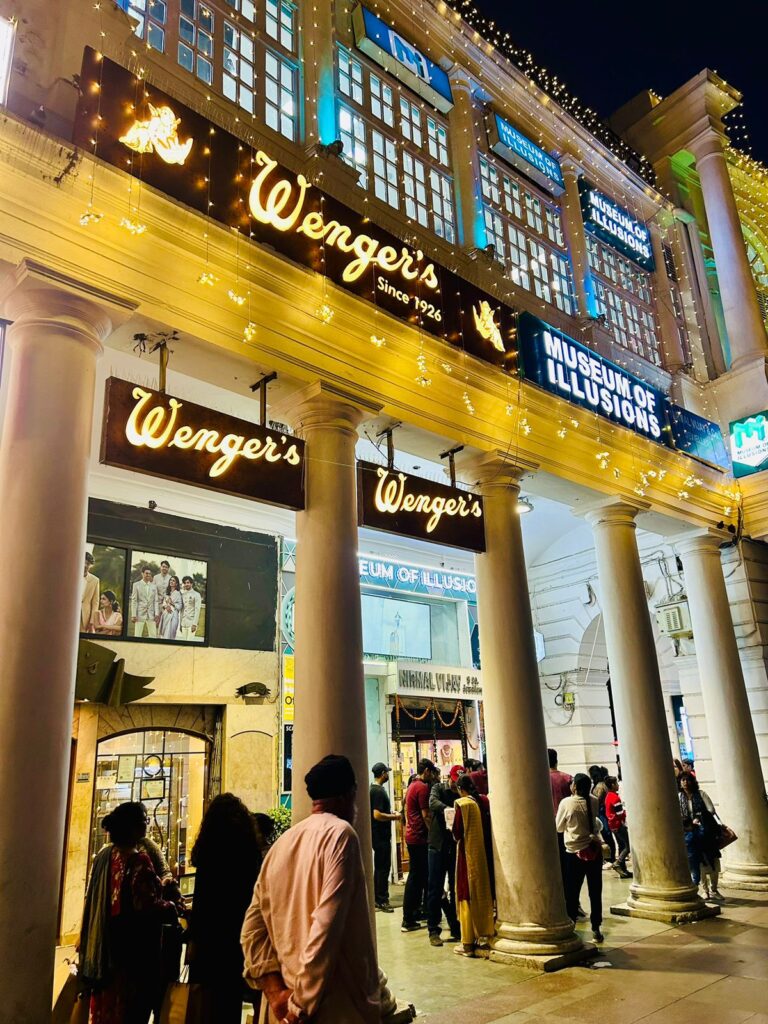
Savory Delights and Scrumptious Cookies at Wenger’s, Delhi

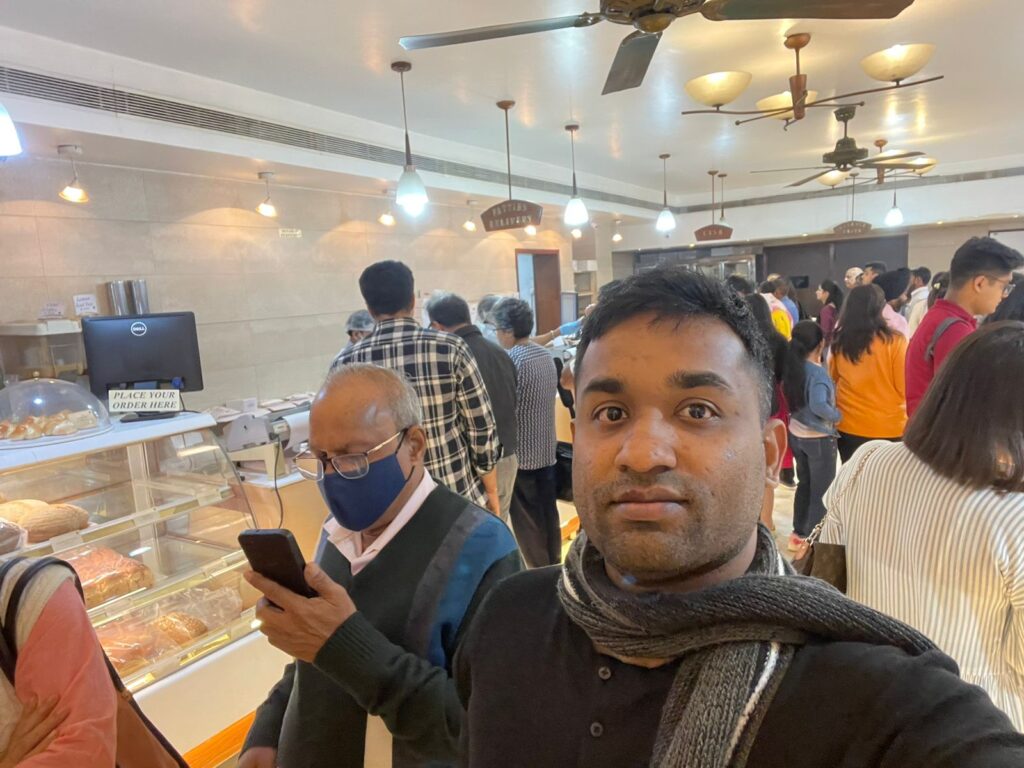
Stepping into the timeless charm of Wenger’s in the heart of Delhi was like entering a gastronomic haven. The rich aroma of freshly baked goodies hung in the air, inviting me into a world of culinary delights that promised to make my taste buds dance with joy.

As I walked through the door, the vintage ambiance of Wenger’s immediately transported me to a bygone era. The display of pastries, cakes, and an array of delectable treats showcased the bakery’s commitment to craftsmanship. Excitement bubbled within me as I embarked on a journey to explore the flavors that have made Wenger’s a culinary icon.

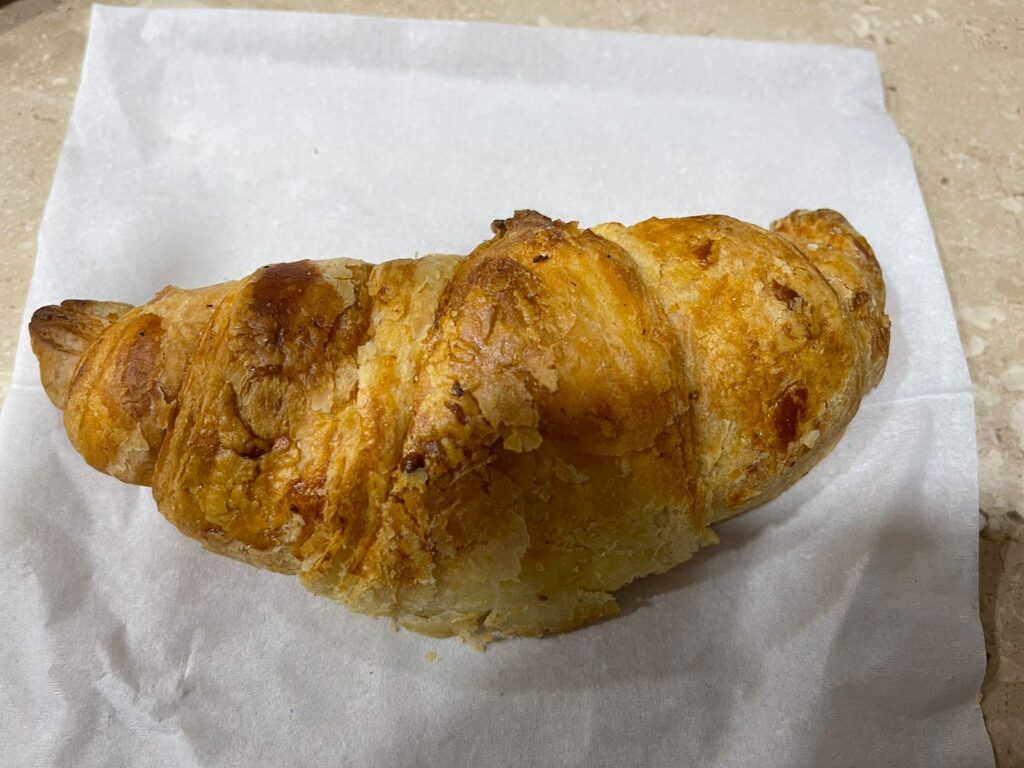
My first stop was at the croissant counter—a haven for flaky, buttery goodness. The variety on display was staggering, from classic plain croissants to those filled with chocolate and almonds. I couldn’t resist the temptation and opted for a selection that included both the classic and almond-filled delights. Each bite was a revelation, a perfect balance of crispiness and melt-in-the-mouth perfection.

Moving on to the cookie section, I found myself surrounded by an array of sweet temptations. The chocolate chip cookies beckoned with their gooey centers and rich, dark chocolate chunks. Alongside them were delicate shortbread cookies and intricately decorated sugar cookies that were almost too beautiful to eat. Unable to resist, I gathered an assortment to savor later with a cup of tea.

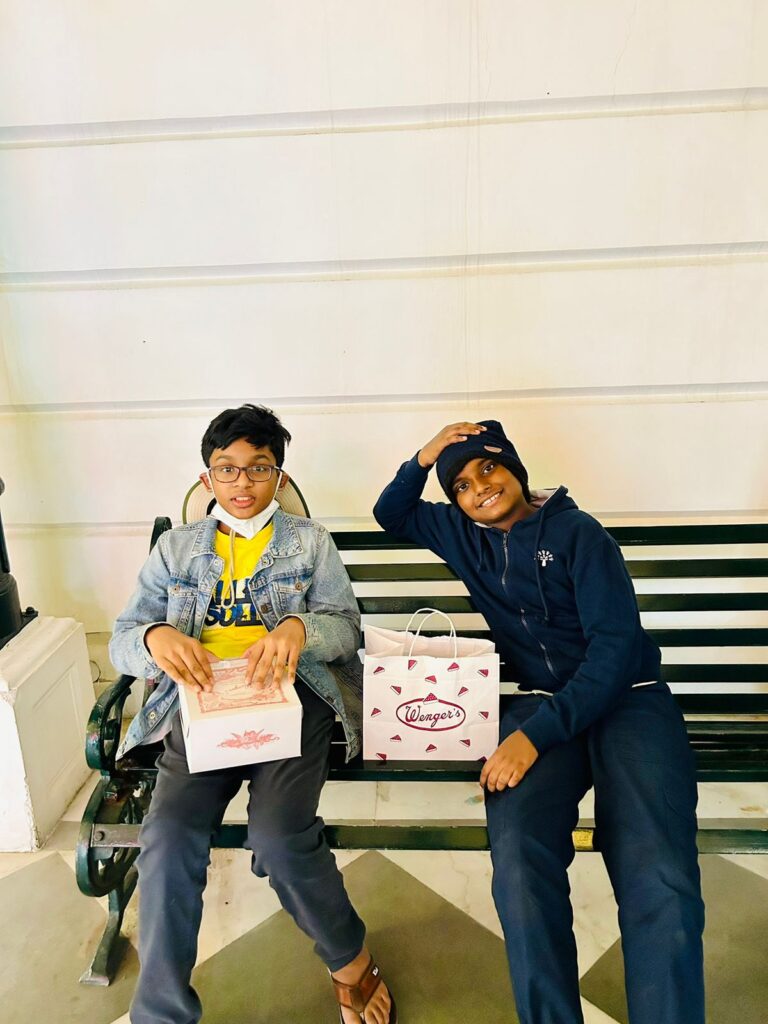
For my son Johan, the lure of chocolate lollipops was too strong to resist. His eyes lit up as he carefully selected a variety of shapes and flavors, each lollipop a mini work of art. It was a sweet addition to our Wenger’s experience, adding a touch of childlike wonder to our culinary adventure.

Not to be outdone, my son Edward gravitated towards the strawberry donuts—a burst of fruity sweetness in every bite. The donuts were a perfect blend of softness and flavor, a testament to Wenger’s commitment to quality and taste.

To cap off our Wenger’s adventure, we couldn’t leave without indulging in a slice of pastry cake. The display showcased an array of options, from classic chocolate to exotic fruit-flavored cakes. We settled on a Wenger’s special—a symphony of flavors and textures that left us wanting more.

As we savored our treats, Wenger’s became more than just a bakery; it became a place of shared moments and indulgent delights. The timeless charm of this culinary institution had worked its magic on us, leaving us with memories of a day filled with croissants, cookies, and cake—a day well spent in the heart of Delhi’s culinary paradise.

The Timeless Charms of Urdu Bazar: From Literary Hub to Culinary Delights

Delhi, the vibrant and historic capital of India, is a city where ancient traditions coexist harmoniously with the modern world. This unique blend of the old and new is more evident in the area surrounding the magnificent Jama Masjid, one of the largest mosques in India. At the heart of this historic neighborhood lies Urdu Bazar, a place where centuries-old culture and commerce come to life.

Let me share my experience as I take a closer look at this iconic market and the transformation of the traditional horse-drawn tangas into electric rickshaws.

A Glimpse of Jama Masjid:

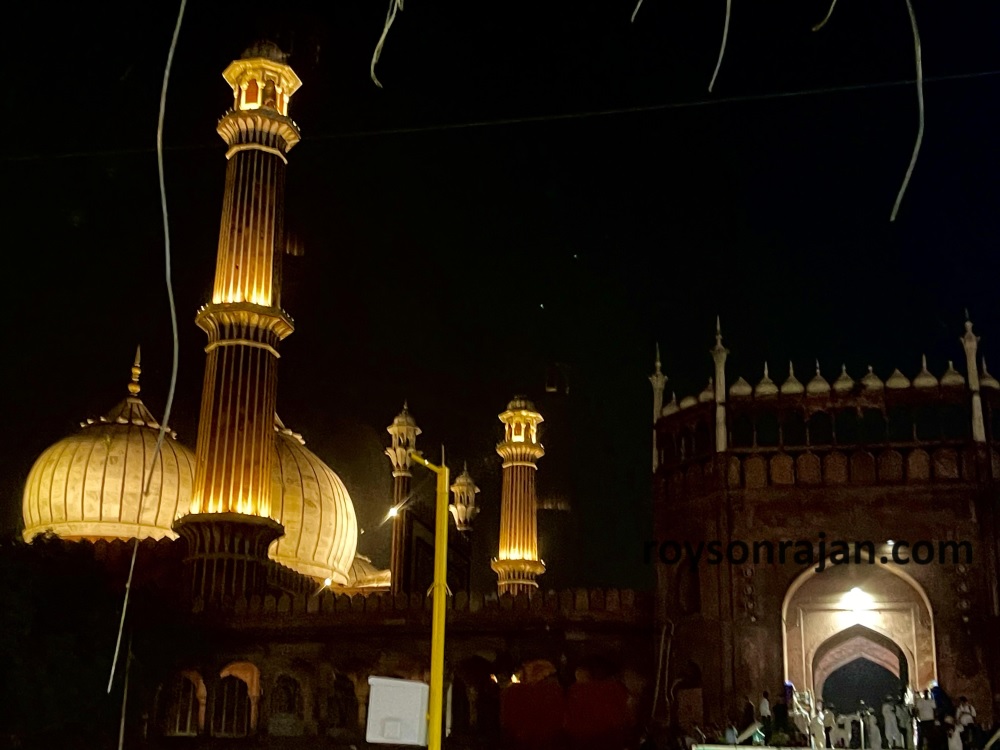
A Mesmerizing Night View of Jama Masjid in Delhi

As I approached the iconic Jama Masjid, I was immediately struck by its colossal beauty. The grandeur of this 17th-century Mughal mosque, constructed by Emperor Shah Jahan, is simply awe-inspiring. The sight of the massive red sandstone structure against the azure sky was nothing short of a visual marvel.

Once inside, the courtyard was a sight to behold. It was vast, open, and buzzing with activity. Devotees and tourists mingled as they explored the intricate architecture, marveled at the impressive central dome, and climbed the minarets for panoramic views of Old Delhi.

The Fading Pages of Urdu Bazar:

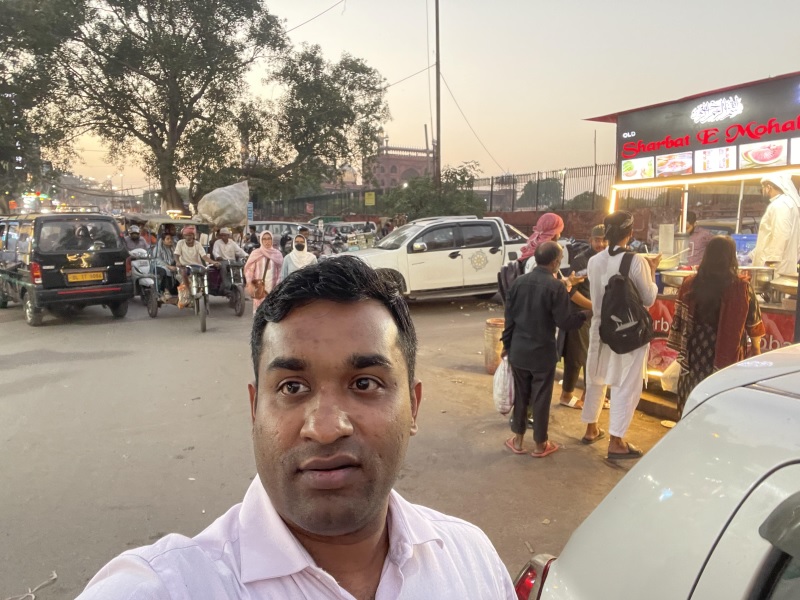
In the background, the electric rickshaw that has replaced the traditional horse-drawn tangas.

Once upon a time, Urdu Bazar near Jama Masjid in Delhi was known as a bustling hub for books, stationery, and traditional artifacts. It was a place where the essence of centuries-old culture thrived. However, as the years have passed, Urdu Bazar has gradually transformed, fading from its former glory as a literary and cultural center into a vibrant marketplace for food and delicacies.

The Fading Pages of Urdu Bazar:

In the not-so-distant past, Urdu Bazar was a treasure trove of books and knowledge. Visitors could lose themselves in narrow, winding alleys, surrounded by shops filled with literary gems in multiple languages, with a special emphasis on Urdu and Persian literature. The market was a sanctuary for book lovers, students, and bibliophiles who could find everything from old, rare volumes to the latest publications.

Over the years, the digital age has brought about a transformation in the way we access information. With the advent of e-books, online bookstores, and digital libraries, the demand for physical books began to wane. Unfortunately, this transformation did not spare the quaint streets of Urdu Bazar.

The Culinary Resurgence:

As the market for books started to decline, Urdu Bazar saw a resurgence in a different realm – food and delicacies. The labyrinthine lanes that were once lined with bookstores now house food stalls and eateries offering a tantalizing array of culinary delights. Traditional Mughlai cuisine, street food, and sweet shops have taken over, offering a gastronomic journey for visitors.

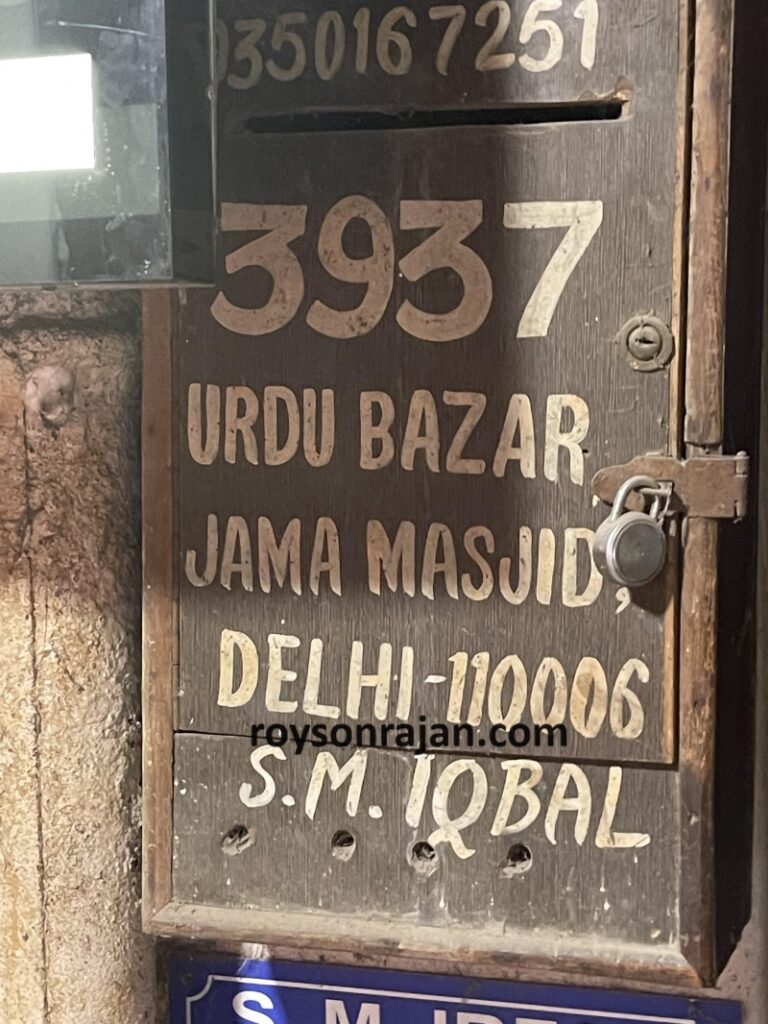
Discovering Post Box that still says – Urdu Bazaar:

A postbox found in the lanes of Urdu Bazar

Amidst the transformation, as I meandered through the lanes of Urdu Bazar, I stumbled upon an intriguing relic of the past – an old, weathered post box. What caught my attention was that it still bore the postal address “Urdu Bazaar.” It was a poignant reminder of the area’s historical significance as a communication hub.

In the age of instant messaging and email, post boxes have become symbols of nostalgia. This particular post box, still standing and bearing the name “Urdu Bazaar,” serves as a silent witness to the changing tides of time.

A Journey of Contrast:

The transformation of Urdu Bazar is a reflection of the shifting sands of culture and commerce. While it may no longer be the primary destination for book enthusiasts, it has found a new identity as a food lover’s paradise. It’s a testament to the adaptability of the city and its residents, who have embraced the changing times.

The old and the new coexist in the lanes of Urdu Bazar, where the echoes of literary history mingle with the aromas of culinary traditions. The discovery of the vintage post box, untouched by time, serves as a poignant reminder of the market’s storied past. While the chapter of Urdu Bazar as a literary haven may have faded, a new chapter has begun, one that celebrates the flavors and fragrances of Delhi’s culinary heritage.

The Evening at Qureshi Kebab Center:

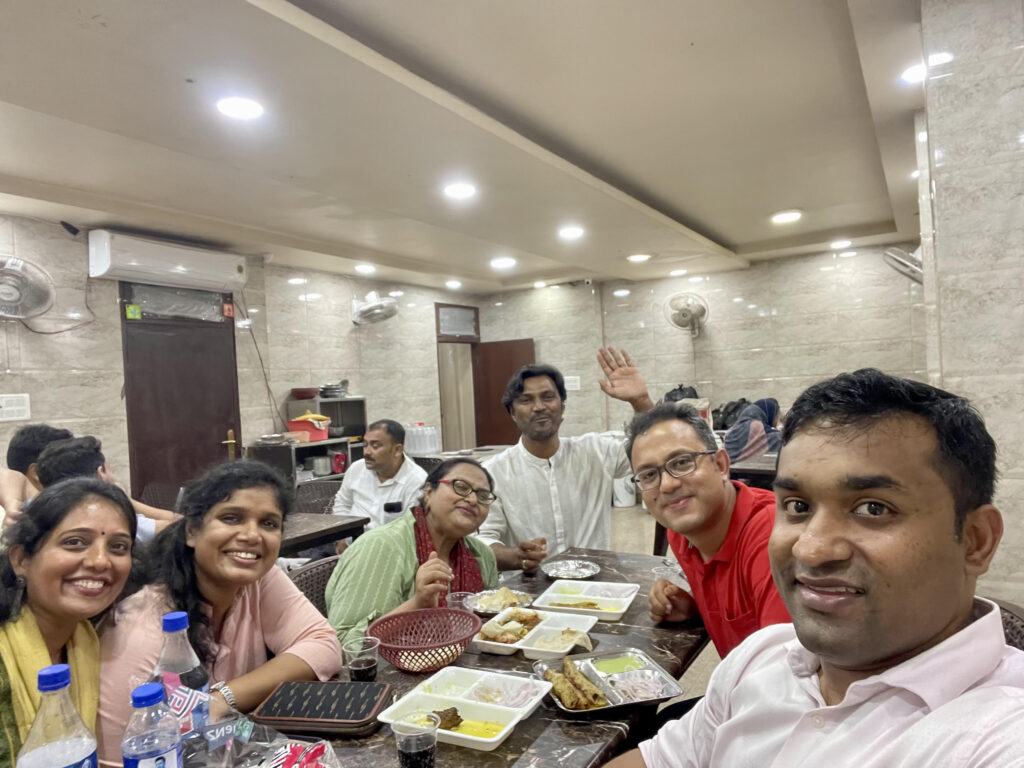
Dinner with the Intellectuals: Dr. Niyati Shah, Dr. Annie Royson, Susan, Abhinay Banker, Dr. Avishek Parui

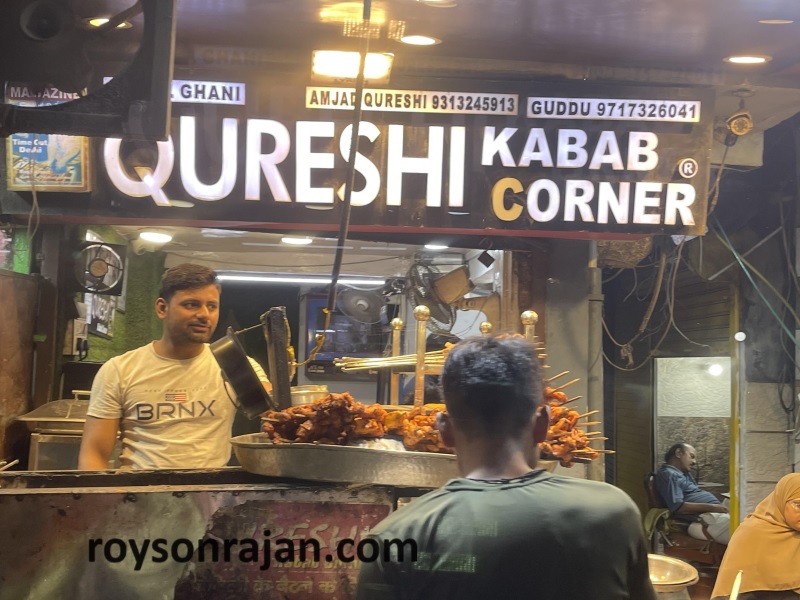
By the time evening descended, my appetite had been stoked by the sensory overload of the day. As I strolled through the crowded lanes of Old Delhi, I followed the aromatic trail of sizzling kebabs to the Quershi Kebab Center. This renowned eatery is a legendary name in the world of Mughlai cuisine, known for its authentic flavors and delectable dishes.

The Feast of Delicacies:

Upon entering Quershi Kebab Center, I was welcomed by the tantalizing aroma of charcoal-grilled kebabs and the melodious sizzle that accompanies them. The menu offered a delightful array of traditional Mughlai dishes, and I decided to embark on a culinary adventure.

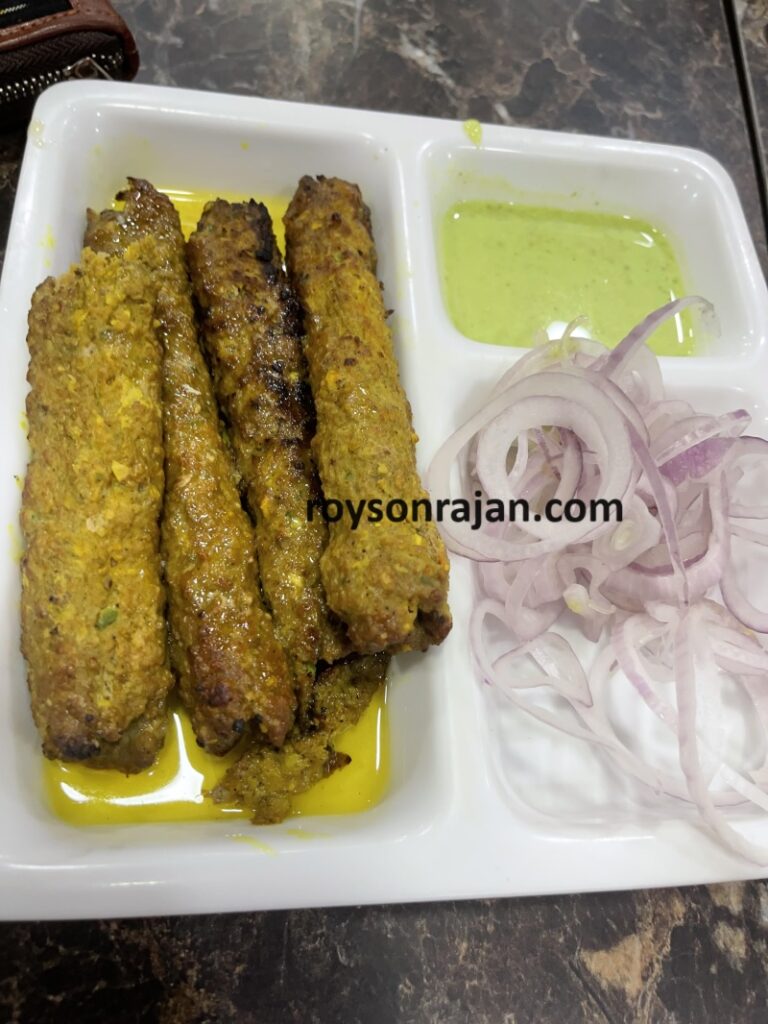
I began with succulent Seekh Kebabs, perfectly seasoned and grilled to perfection. These kebabs melted in my mouth, leaving behind a burst of flavors that I won’t soon forget. Next up was the creamy and aromatic Mutton Rogan Josh, served with freshly baked naan bread. The tender pieces of mutton in a rich gravy were a perfect complement to the flaky, warm naan.

The culinary journey continued with the biryani, a fragrant blend of spices, aromatic rice, and tender chunks of marinated chicken. Each bite was a burst of flavors that transported me to the royal kitchens of the Mughal era.

I couldn’t leave without trying their famous Sheermal, a sweet, saffron-flavored bread that perfectly balanced the savory dishes I had enjoyed. A glass of sweet and cooling lassi was the perfect conclusion to this lavish meal.

A Journey of Time and Taste:

My trip to Jama Masjid and the surrounding Urdu Bazar was a journey through the ages, where history and culture intertwined seamlessly. It was a reminder of India’s rich and diverse heritage. As the day turned into night, my culinary adventure at Qureshi Kebab Center was the icing on the cake, allowing me to savor the flavors of Delhi’s past and present in one unforgettable experience. This visit, with its grandeur and gastronomic delights, will forever remain etched in my memory as a true feast for the senses.

Explore the transformation of Delhi’s historic Urdu Bazar, from a literary haven to a culinary hotspot near Jama Masjid. Join me on a journey through time and taste, where the old and new coexist, and a vintage post box still bears the name ‘Urdu Bazaar.’ Discover the flavors and fragrances of Delhi’s culinary heritage at Quershi Kebab Center.

Royson Rajan